


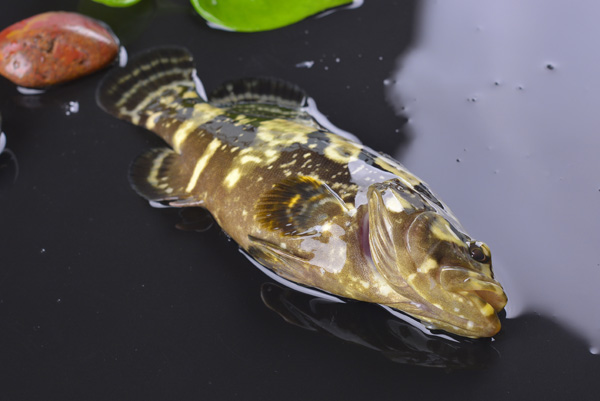
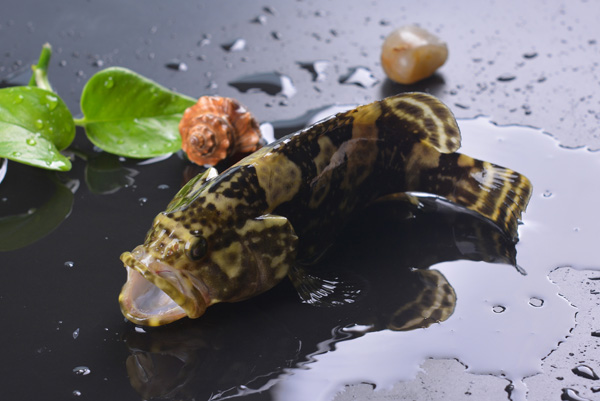
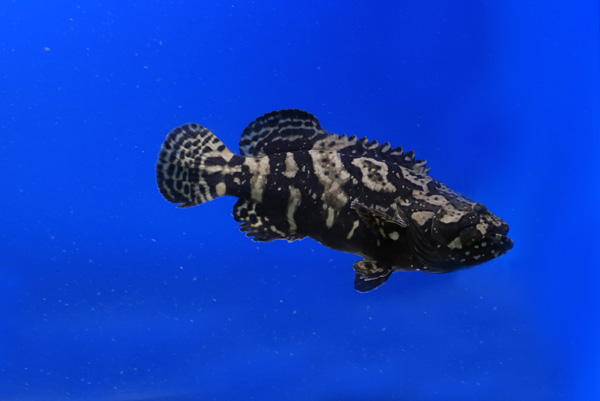
grouper
 Contact us
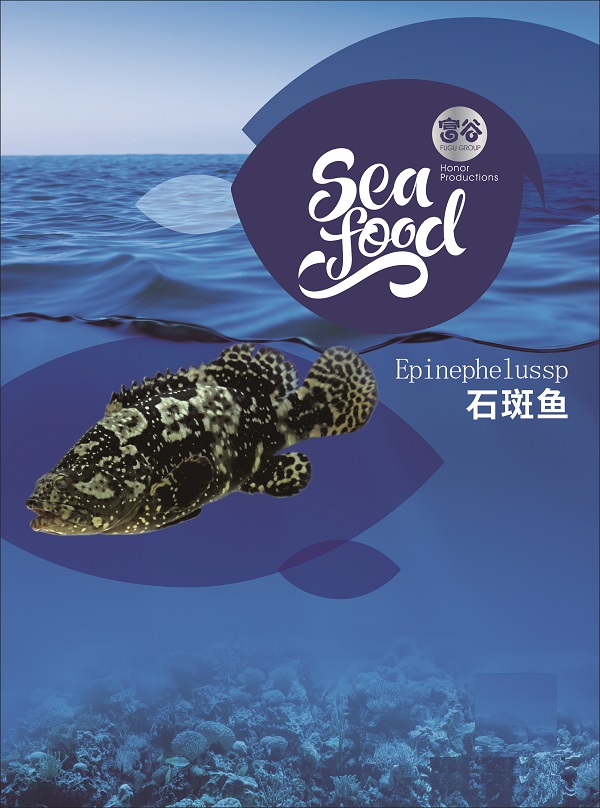
The grouper is named after its special stripes and patterns on its body, and is a precious seafood. It is recommended as one of the four famous fish species in China by Hong Kong and Macao regions. The meat is tender and thick, rich in nutrients, and has medicinal value in strengthening the spleen and nourishing qi. The Fugu grouper adopts a breeding model that combines indoor recirculating aquaculture with deep-sea net cage aquaculture, greatly shortening the breeding cycle and continuously reducing the breeding cost. It has high economic benefits and is in short supply in the market.
Epinephelus has medicinal value in strengthening the spleen and nourishing qi.
Because grouper often preys on fish, shrimp, and crabs, it simultaneously consumes astaxanthin, which is rich in shrimp and crab. For humans, grouper has become a food containing astaxanthin.
Astaxanthin (also known as astaxanthin in Japan and Hong Kong and Macau) is a powerful natural extracellular antioxidant first isolated from lobsters in 1938. It is also the only antioxidant that can achieve the function of delaying organ and tissue aging. Epinephelus also contains astaxanthin, and the important nutrient that enhances the complete growth of epithelial tissue and promotes the synthesis of collagen cells in the fish skin collagen of grouper is called dimethyl sulfoxide (MSM); And "collagen" is a high-fat substance that is easily oxidized, so it needs to be used in conjunction with antioxidants to achieve the effect of beauty and skincare. Because grouper possesses both dimethyl sulfoxide (MSM) and astaxanthin, it is known as the "fish of beauty and skincare".